

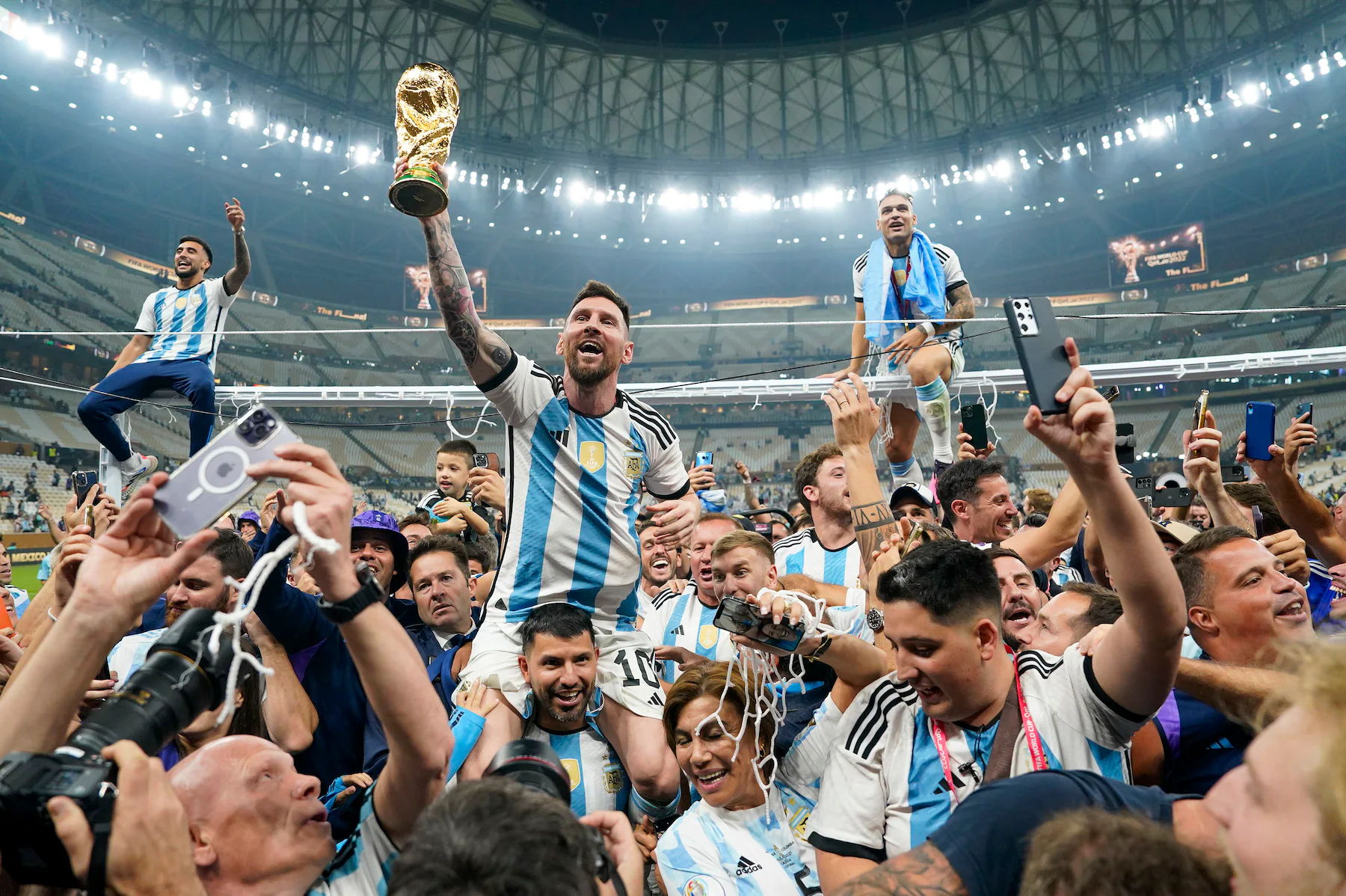
Canada Wants the World Cup – But Is the Price Tag Worth the Trophy?
With Canada co-hosting the 2026 FIFA World Cup, governments are spending billions on stadium upgrades, transportation and security. Fans see flags, goals and celebrations. Economists see trade-offs.
Game Recap – What’s Happening?
For the first time ever, Canada is sharing a FIFA World Cup with the United States and Mexico. Canadian host cities are upgrading stadiums, building fan zones and expecting waves of international tourists. Politicians sell the event as a once-in-a-lifetime chance for national pride, global attention and economic growth.
Behind the hype, though, every new seat, security barrier and construction crew has a serious economic cost. Taxpayers are effectively helping to buy a giant month-long soccer festival. The real question isn’t “Will it be exciting?” but “Is this the best use of limited money and resources?”
Economic Analysis – Scarcity and Opportunity Cost
Economics starts with scarcity. Governments do not have unlimited tax dollars, construction workers or land. Choosing to spend hundreds of millions on World Cup projects automatically means having less available for hospitals, schools, affordable housing or public transit.
The thing we give up when we make a choice is called opportunity cost. If the federal and provincial governments invest heavily in stadium upgrades, the opportunity cost might be a new hospital wing that never gets built or a transit line that gets delayed. From an economic perspective, hosting the World Cup is only “worth it” if the long-term benefits are greater than what Canadians sacrifice.
The situation also shows how a mixed economy like Canada’s works. Private businesses — sponsors, broadcasters, and team owners — pay for some of the event. But policing, roads and major infrastructure are mainly funded by government. That means regular citizens are paying part of the bill, even if they never watch a single match.
Solutions – My Coaching Call
If I’m coaching Canada’s government, I don’t automatically say “no” to the World Cup. Instead, I tell them to play smarter. First, use existing stadiums and facilities wherever possible, instead of building new arenas that sit half-empty after the tournament is over. Second, push FIFA, sponsors and private partners to cover a bigger share of the direct costs so taxpayers aren’t stuck marking the whole bill.
Finally, every major World Cup project should have a clear long-term use: community fields, multi-purpose venues, or transit improvements that residents will still benefit from decades later. That reduces the opportunity cost and turns the tournament from a one-time party into a real investment in Canada’s future.
- Scarcity of tax dollars
- Opportunity cost trade-offs
- Government spending priorities
- Mixed economy (public vs private roles)