

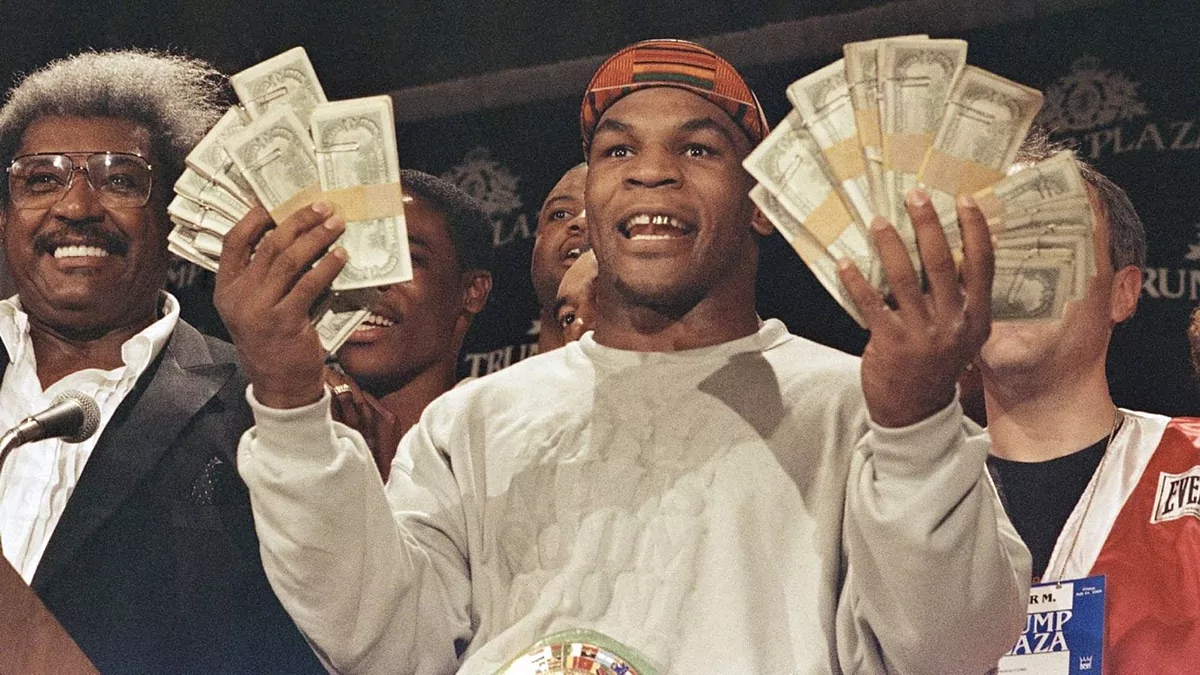
From Rich to Broke: The Personal Finance Nightmare Behind Pro Sports
Multi-million-dollar contracts should mean generational wealth, but a shocking number of athletes end up broke within a few years of retirement. The problem isn’t their income — it’s their decisions.
Game Recap — How Do You Lose That Much Money?
Every few years, a new documentary drops about a former star who “lost it all.” Fans are stunned: how does someone with $30, $50 or even $100 million in career earnings end up in debt? The pattern is usually the same. Players sign huge contracts, then immediately upgrade everything — mansions, cars, jewellery, clothing, parties and vacations.
On top of that, many athletes feel pressure to financially support friends, extended family and big entourages. Add in a couple of risky business ventures, and their expenses quietly start climbing higher than their actual income. Once injuries hit or the team stops calling, the paycheques drop fast — but the lifestyle doesn’t, and that’s when the financial collapse begins.
Economic Analysis — Budgeting, Taxes & Lifestyle Creep
From a personal finance perspective, the first invisible opponent is taxes. By the time income tax, agent fees, union dues and withholding in different states are taken out, a “$10 million season” might only be about $5 million or less in real, spendable money. If a player builds a lifestyle based on the full number, they are overspending from day one.
The second issue is lifestyle inflation. Instead of treating a big contract as a rare opportunity to invest, many athletes assume the money will always keep coming. Expensive houses and cars are usually liabilities, not assets — they cost money every month in mortgages, maintenance and insurance. Without a proper budget and cash-flow plan, it becomes almost impossible to see the danger until it’s too late.
Investing vs. Gambling
Strong personal financial management uses diversification: spreading money across safer, long-term investments like index funds, broad-based stock portfolios, bonds or rental properties. The goal is steady growth, not instant jackpots.
Some athletes, however, treat investing like gambling. They pour huge amounts into restaurants, nightclubs, start-ups or “can’t-miss” ideas pitched by friends. These projects are usually high risk and outside their area of expertise. When they fail, the athlete doesn’t just lose money — they often owe even more to banks or partners, pushing them deeper into financial trouble.
Solutions — My Rookie Contract Game Plan
If I’m advising a rookie who just signed their first major contract, my game plan starts with one word: discipline. First, we build a realistic budget that assumes only about half of the contract value is truly available after taxes and fees. Day-to-day lifestyle spending has to stay well below that number, even when the contract looks massive.
Next, we automate investing. A big portion of each paycheque goes straight into diversified, long-term assets before it ever hits a regular spending account. Finally, the player needs a small, trusted financial team — a certified financial planner, an accountant, and at least one honest friend who isn’t impressed by clout. With those pieces in place, a short sports career can be turned into lifelong financial security instead of a “broke athlete” headline.
Key Unit 4 Concepts Used
- Budgeting and cash-flow planning
- Taxes and after-tax income
- Assets vs liabilities
- Risk, diversification and long-term investing